Upgrade Your Home: Fresh Ideas for Impressive Home Additions
Transforming a home through carefully planned additions can greatly enhance both its usability and overall appearance. From sunrooms that invite natural light to large decks designed for hosting guests, the opportunities are endless. Growing important rooms, including kitchens, strengthens family bonds, while a dedicated garage can eliminate storage problems. Recognizing fundamental design components and thoughtful preparation is essential. Yet, what really drives homeowners to adopt these transformations? The answer is found in the extraordinary influence of thoughtfully designed home additions.
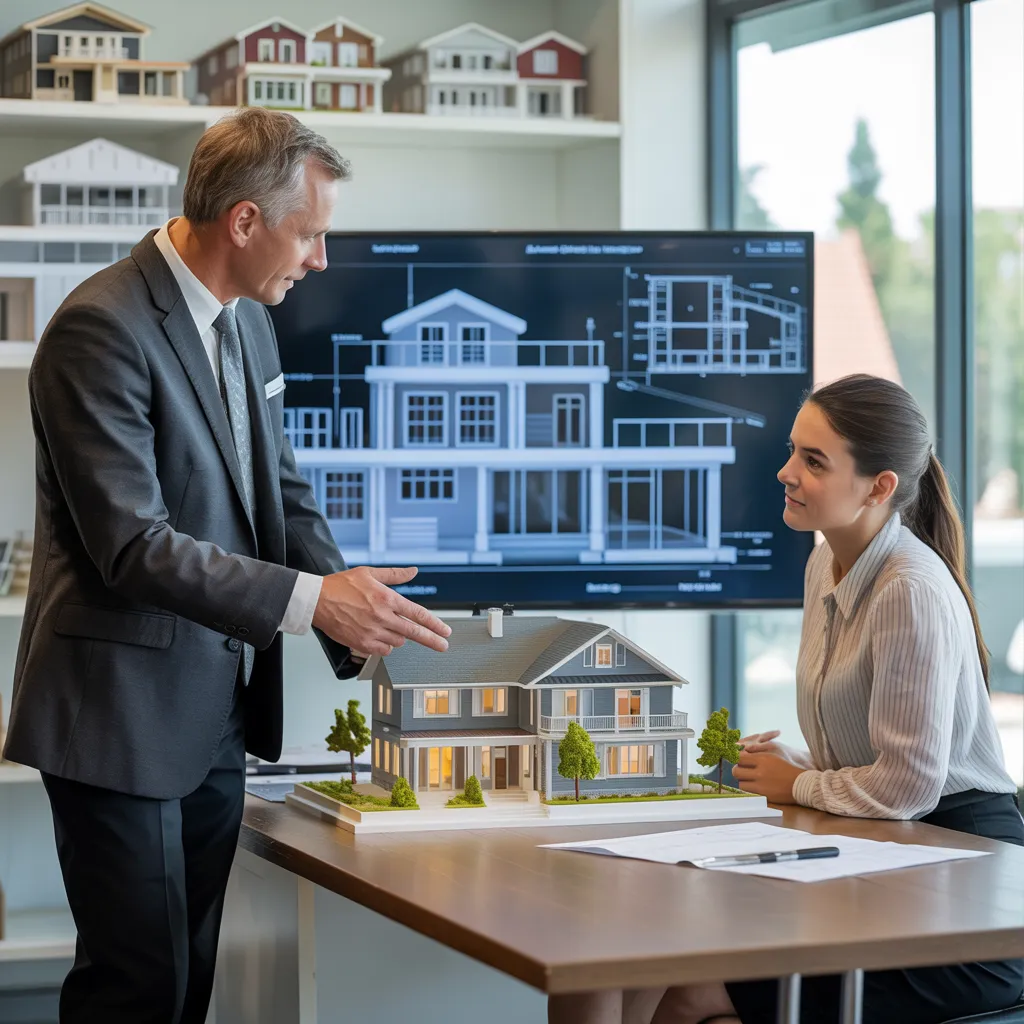
Browse Popular Home Addition Concepts to Reinvent Your Space
Many homeowners actively pursue unique approaches to upgrade their homes, and discovering trending home addition concepts can provide remarkable improvements. One widely favored option is the addition of a sunroom, which brings natural light indoors while creating a serene space for relaxation. A similarly desirable addition is a deck or patio, extending the living area outdoors and perfect for entertaining.
Homeowners may also consider broadening their kitchen areas, creating a more useful and appealing environment. A garage extension not only offers extra storage but may also be used as a dedicated workspace or hobby area.
For individuals seeking more sleeping areas, a bedroom extension can provide much-needed privacy and comfort. Additionally, converting attics or basements into livable spaces presents an opportunity for creative design while maximizing existing square footage. All of these concepts carry the potential to improve both practicality and visual appeal, ultimately turning a home into a more pleasant living space.
How Home Additions Can Enhance Your Lifestyle?
Home additions can significantly improve living space, giving families the space they need to grow and adapt. Moreover, expanding a home can lead to increased property value, making it a worthwhile investment. Finally, these expansions frequently strengthen family bonds by creating shared areas for activities and gatherings.
Elevate Living Space
Expanding a living space through home expansions can markedly enhance one's way of living by providing greater convenience and ease. For growing families, extra rooms can accommodate expanding needs, such as a playroom for children or a dedicated home office. A thoughtfully designed addition can establish a seamless flow between interior and exterior areas, fostering social interaction and relaxation. Moreover, integrating elements like open floor plans or large windows fosters a sense of spaciousness and natural connection. Enhanced living spaces also enable personalized design choices, showcasing personal tastes and preferences. In summary, home additions not only maximize existing spaces but also develop spaces that enhance well-being and elevate everyday living.
Enhance Property Value
Investing in home additions can greatly elevate a property's overall value, making it a wise financial decision. By enlarging the home's footprint or introducing useful living zones, homeowners can attract potential buyers and boost selling prices. Elements including extra bedrooms, modern kitchens, or versatile living areas regularly produce substantial returns. Moreover, additions including sunrooms or patios not only improve aesthetics but also cater to modern lifestyle preferences, additionally increasing appeal. A carefully designed expansion can transform a home into a more valuable asset, aligning with present market demands and purchaser expectations. In summary, purposeful residential additions represent an effective strategy for enhancing overall property value while enhancing the overall living experience for current occupants.
Foster Family Connections
A skillfully crafted addition can substantially enhance family connections by creating spaces that promote interaction and unity. Open-plan layouts, such as family rooms or spacious kitchens, function as hubs for shared activities, fostering communication and bonding. Designated areas for hobbies or playrooms offer children a place to explore, while adults can enjoy nearby social spaces. Additionally, including outdoor living spaces, like patios or decks, enables families to congregate in a welcoming environment. These enhancements not only encourage everyday connections but also provide a backdrop for cherished gatherings and celebrations. At their core, carefully considered home additions transform living environments into supportive spaces that deepen family ties, enhancing overall quality of life.
Important Design Elements to Elevate Your Home Addition
When homeowners consider a home addition, including fundamental design features can greatly boost both appearance and usability. Important components consist of natural light, which can be achieved through large windows or skylights, creating a bright and inviting space. Additionally, an open floor plan promotes seamless flow between original and expanded sections, fostering a sense of continuity.
Combining coordinating materials and tones assures the new addition blends seamlessly with the existing structure, maintaining design consistency. Careful positioning of furniture and installations elevates functionality, rendering the space functional for daily use. Connections to outdoor spaces, like a patio or deck, may expand living spaces and promote outdoor activities. Additionally, sustainable design approaches, featuring adequate insulation and green materials, promote enduring cost reductions and environmental stewardship. By focusing on these essential design elements, homeowners may establish a seamless and appealing addition that transforms their living experience.
Effectively Plan Your Home Addition Project
Careful planning is critical for a successful home addition project. Homeowners should begin by establishing their objectives, whether it's generating additional living space, enhancing functionality, or increasing property value. Creating a solid vision helps guide the design and construction process. Additionally, investigating local building codes and zoning regulations is essential to guarantee compliance and avoid potential setbacks.
Developing a timeline that maps out every phase of the work supports preserving focus and commitment. Homebuilders are also encouraged to consider working with professionals, such as contractors or architects, for professional insight and to optimize the project.
Moreover, focusing on team member communication promotes cooperation and tackles problems as they emerge. Lastly, keeping an eye on future needs can aid in designing an addition that remains functional over time. By following these steps, homeowners are better equipped to manage their home addition projects with assurance and direction.
Home Addition Budgeting: Important Tips to Know
Creating a budget for a home addition requires careful consideration and planning to avoid unexpected expenses. Homeowners ought to start by establishing a reasonable budget that covers all components of the project, such as permits, building materials, labor costs, and contingency expenses. It is recommended to set aside an additional 10-20% of the total budget for contingencies.
Gathering and evaluating quotes from multiple contractors may yield important knowledge and support better decision-making. Furthermore, homeowners ought to distinguish between their needs and desires, making read more certain that critical elements are covered without exceeding financial limits.
Developing a detailed timeline can help with synchronizing expenditures with construction stages, minimizing monetary pressure. Additionally, working with a financial professional or a contractor can provide further clarity on likely costs and payment alternatives, guaranteeing that the finances stay controlled throughout the home expansion project. This calculated method helps in achieving a prosperous and fiscally responsible home expansion.
Real-Life Home Addition Transformations to Inspire You
Inspiring home extension makeovers reveal the remarkable capacity of home interiors. One standout case is a modest compact home that was subject to a transformative transformation with a sophisticated, contemporary annex. By including a expansive kitchen and dining space, the property owners elevated their kitchen functionality while establishing a inviting social space for relatives and companions.
One notable transformation showcases a small residence that extended skyward with a charming loft, maximizing space while introducing a cozy reading nook. This ingenious approach not only increased usability but also gave the residence a distinctive charm.
Finally, a traditional ranch house adopted a modern style with a floor-to-ceiling glass sunroom, bathing the interior in warm natural light and delivering magnificent vistas of the rear garden.
These real-life transformations illustrate the diverse possibilities for home additions, motivating homeowners to consider their own personalized improvements and transform their living spaces.
Questions We Often Receive
What Permits Are Required for a Home Addition Project?
For a home addition project, one typically needs the appropriate building permit, zoning clearance, and in some cases additional electrical or plumbing authorizations. Local regulations vary, so checking with your municipal office is essential to confirm full compliance with applicable regulations.
How Much Time Does a Standard Home Addition Usually Take?
A standard home addition usually takes anywhere from two to six months to complete, depending on factors such as size, complexity, permits, and weather conditions. Effective planning and contractor performance can significantly impact the timeline.
Can I Live in My Home During the Addition Process?
Absolutely, homeowners can typically live in their homes during the addition process. However, considerations like the project's scale, location, and sound levels may disrupt accessibility and comfort, calling for short-term adjustments or temporary accommodations during the construction phase.
What Are Common Mistakes to Avoid When Planning an Addition
Typical pitfalls to steer clear of when planning an addition consist of failing to accurately estimate expenses, ignoring necessary building permits, disregarding structural requirements, failing to assess future needs, and overlooking the importance of professional advice. Careful planning guarantees smoother execution and better results.
How Do I Choose the Right Contractor for My Project?
To choose the right contractor, it is important to investigate experience, examine testimonials, and establish open communication. Reviewing various quotes and examining past projects can help determine trustworthiness and alignment for the individual home improvement project.
Comments on “Top Home Addition Contractors in East Palo Alto for Second Story Additions”